






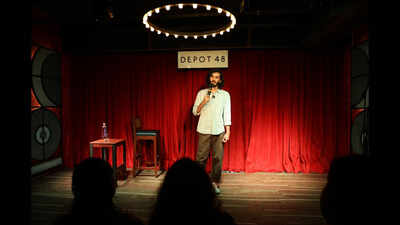
“Logon ne araam kiya, aur chhuti poori ki… Yakum May mein mazdooron ne mazdoori ki.” Storyteller Deepali Tonk quoted Afzal Khan’s shayari before narrating the story of Haider Ali, a seller in Meena Bazar who suffered a heat stroke and was advised the unimaginable – 15 days of bed rest and, consequently, 15 days away from work.For someone earning a daily wage, those 15 days are not simply about recovery. They are 15 days without an income. It was stories such as these that came alive at Garminama, a storytelling event held at Depot 48 in GK2 on Saturday. The event brought to a wider audience experiences documented through Greenpeace India’s Garmi Khata, or Heat Registry, which recorded how people experienced extreme heat in their everyday lives.“Rather than presenting the registry only as a collection of data or written experiences, the objective was to give people who maintained the registry a platform to share their own stories, experiences and reflections on how heat affected their everyday lives. The Heat Registry was developed with the help of various experts, including lawyers, doctors and activists, to understand how heat impacts people in their everyday lives. Around 40 people across Delhi, including middle-class communities, maintained the registry. For Garmi Nama, we selected seven stories directly from the heat registries maintained between May and July. Arshi, Abhishek, Sunita, Preeti, Ritika and Deepali, who are artists as well as community members from Sunder Nagri who maintained the Heat Registry, brought these stories to life through storytelling,” shared Naumaan Amin, Public Engagement Campaigner, Greenpeace South Asia/India, who was present at the event.Sahil Kumar, who anchored the event, worked with the storytellers for eight days, helping them shape their experiences into narratives and performances that could connect with a wider audience.
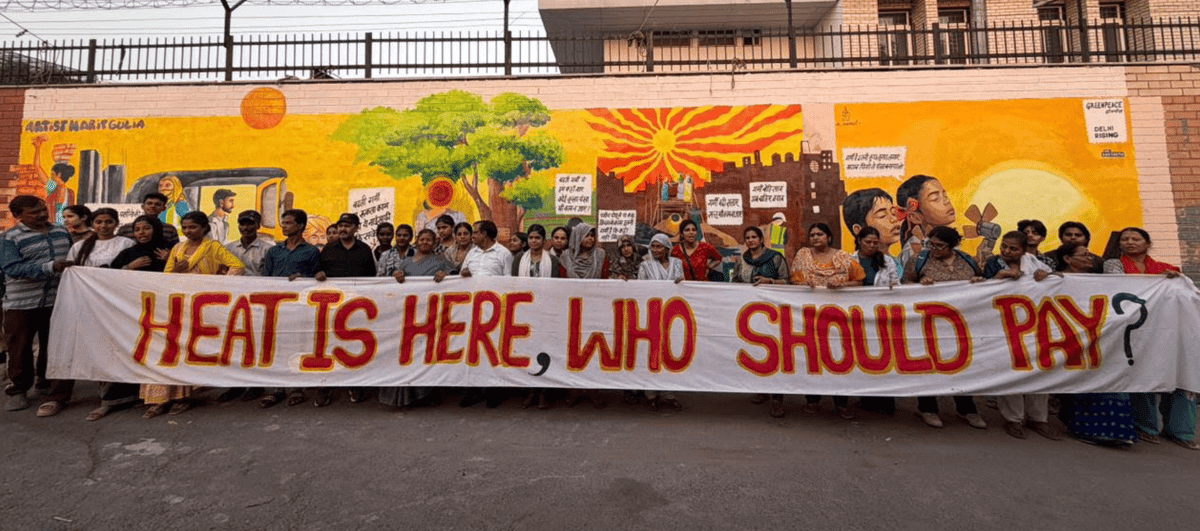
As heatwaves become more frequent and intense, India needs stronger Heat Action Plans, dedicated financing for climate adaptation, and rapid climate mitigation that tackles the fossil fuel pollution driving this crisis
When heat becomes a lived disasterFor those who documented their experiences, the exercise offered a way to articulate what heat means beyond a temperature reading, its effects on the body, work, home, income and even mental wellbeing. For Sunita, a 30-year-old resident of Sunder Nagri, the event became an opportunity to speak openly and express herself without hesitation. Ritika, who works with the organisation, shared the story of Kanhaiya, a banana seller, who is also the President of a group of 30 vendors on Rajpur Road. She mentioned heat as a “fight with no face.” She narrated, “Heat – bare, faceless, unforgiving. Heat climbing up the road like a wall, heat sitting on the bananas, setting into his bones. Kanhaiya began to see a pattern. The bananas ripened faster, the customers came later, he bought less stock, more went to waste, his income shrank, his phone needed cooling…When asked what can help him in this heat, he replied with another question: ‘Who started this fire? Who is responsible?’ He answered it himself: Carbon visarjan.”
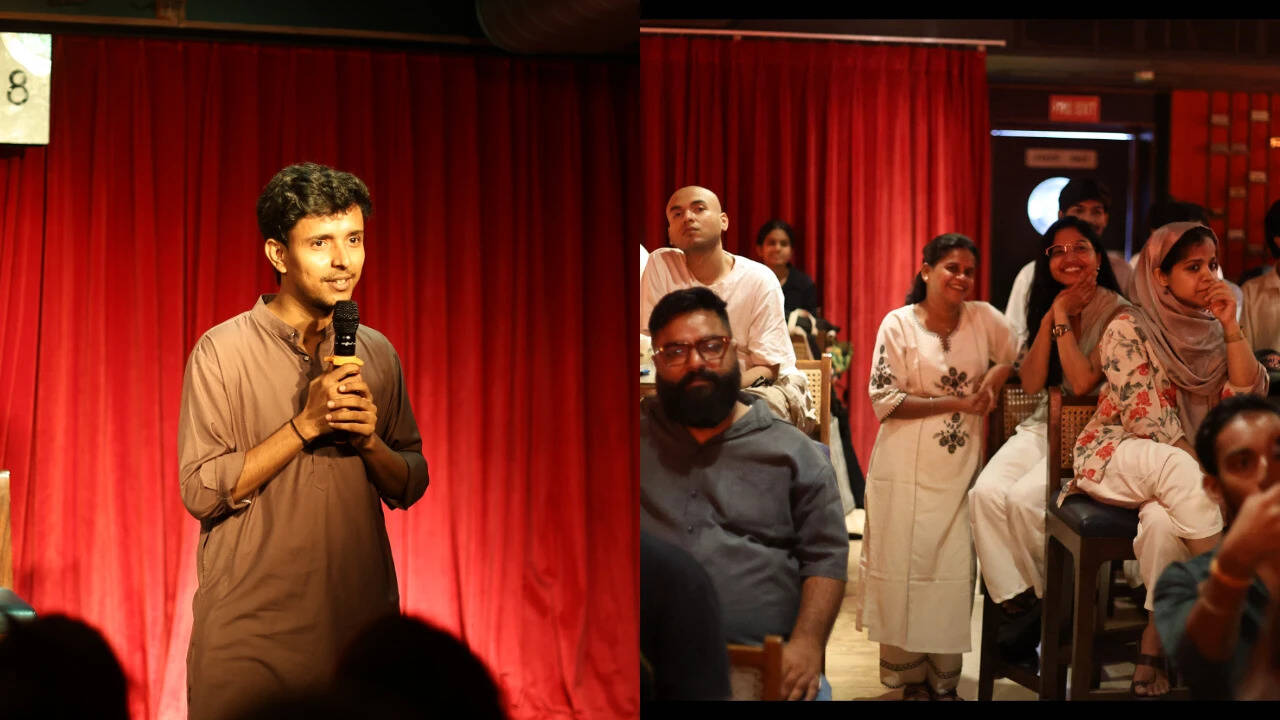
L-R: Storyteller Sahil Kumar anchored the event; glimpse from Garminama
For Greenpeace India, the storytelling exercise is part of a larger effort to highlight the unequal burden of extreme heat. Over the past four years, the organisation has been pushing for heatwaves to be recognised as a natural disaster, pointing out that while everyone experiences rising temperatures, those who work outdoors or depend on daily wages bear a disproportionate burden.With heatwaves now falling under the ambit of notified disasters, state governments can access disaster relief funds to respond to their impact. But the stories at Garmi Nama served as a reminder of what that impact looks like on the ground — a heat stroke that can mean 15 days without work, a body that cannot recover without rest, and a worker who cannot afford to take it.