







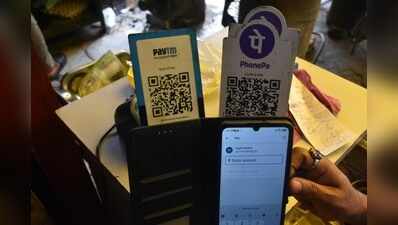
Ranchi: The decision of National Payments Corporation of India (NPCI) to impose a 0.4% merchant discount rate (MDR) on person-to-merchant UPI transactions above Rs 2,000 from Oct 15 has triggered mixed reactions among city traders.While small retailers and street vendors said the move would have little impact on their business as most of their transactions fall below the threshold, firms dealing in high-value goods and services voiced concern over the additional cost.Under the revised framework, UPI payments up to Rs 2,000 and all person-to-person transactions will continue to remain free. MDR will apply only to person-to-merchant payments above Rs 2,000.“Since there will be no charge on smaller payments, we can continue accepting UPI. Most of our transactions remain within the Rs 2,000 limit,” said Deepak Dubey, a street food vendor at Albert Ekka Chowk.However, businesses handling expensive products and services said the levy could hit their margins, particularly when they receive several high-value payments.“If I receive a payment of Rs 50,000, I will have to bear an MDR of Rs 200. For transactions of Rs 75,000 or more, the charge will be capped at Rs 300. If I receive multiple high-value payments, it will have a direct impact on my business,” said FJCCI treasurer and city businessman Navjot Alang.Alang said the additional burden on merchants could eventually be passed on to consumers through higher prices for goods and services.Business representatives also warned that the move could discourage merchants from accepting digital payments, at a time when UPI usage is expanding rapidly. They said the move could also widen the gap between cash and digital payments.Pratik Jain, a city-based tour operator, said he may prefer cash transactions once the levy comes into effect. “Margins in the travel business are already very low. On a Rs 7,000 ticket, the profit is only Rs 100. If Rs 28 is deducted as MDR, why would I prefer UPI payments?” Jain asked.