









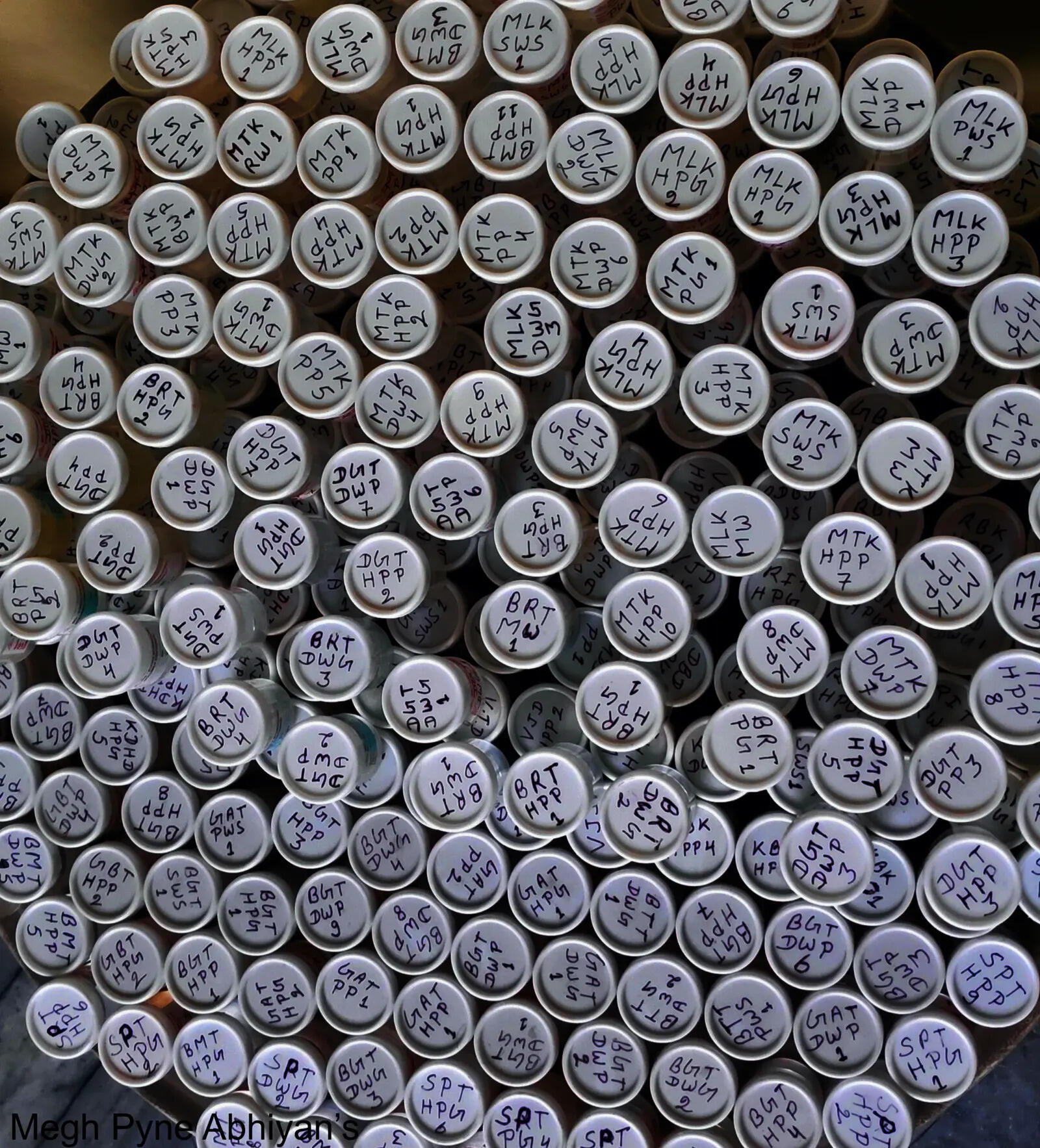
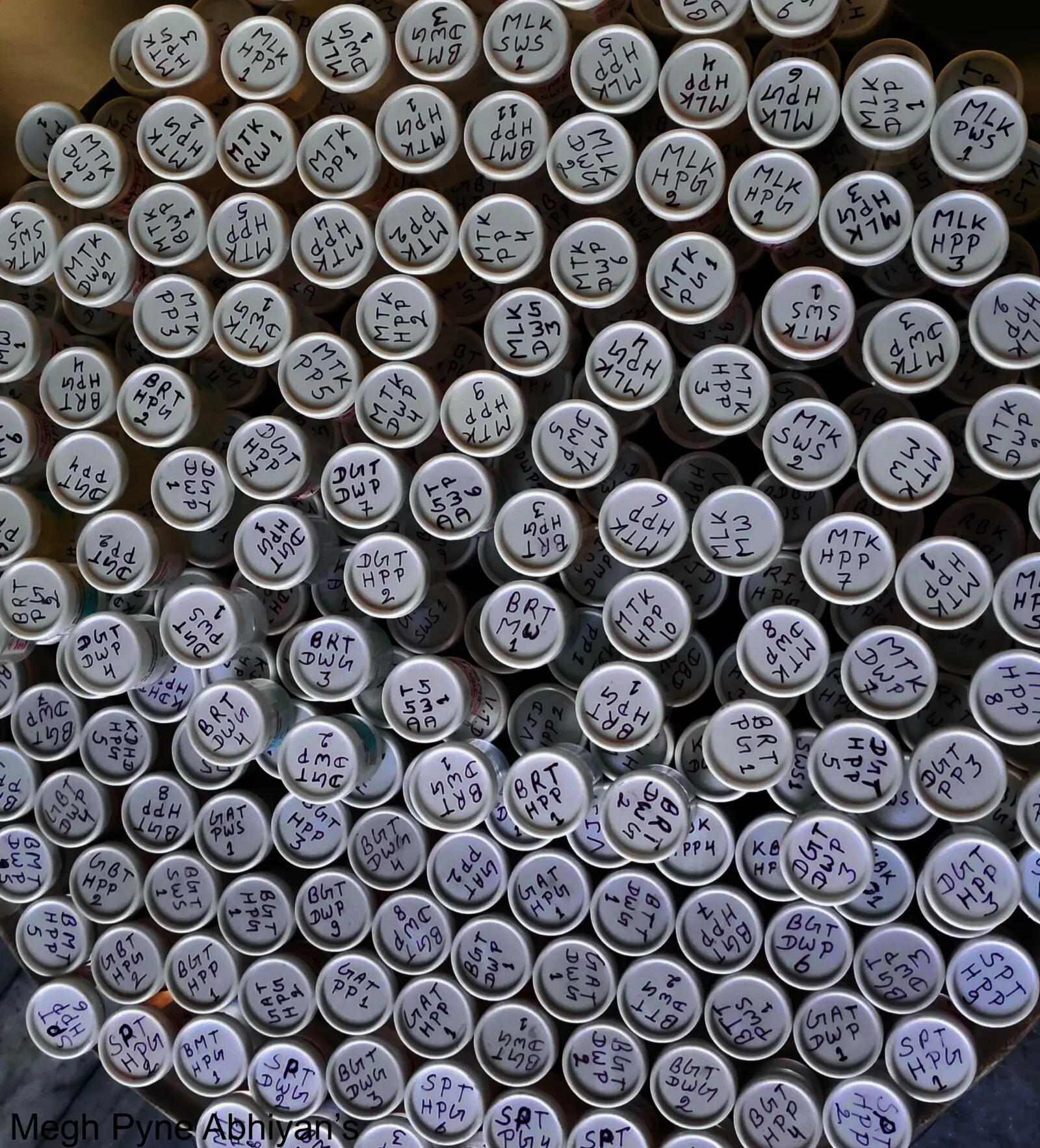
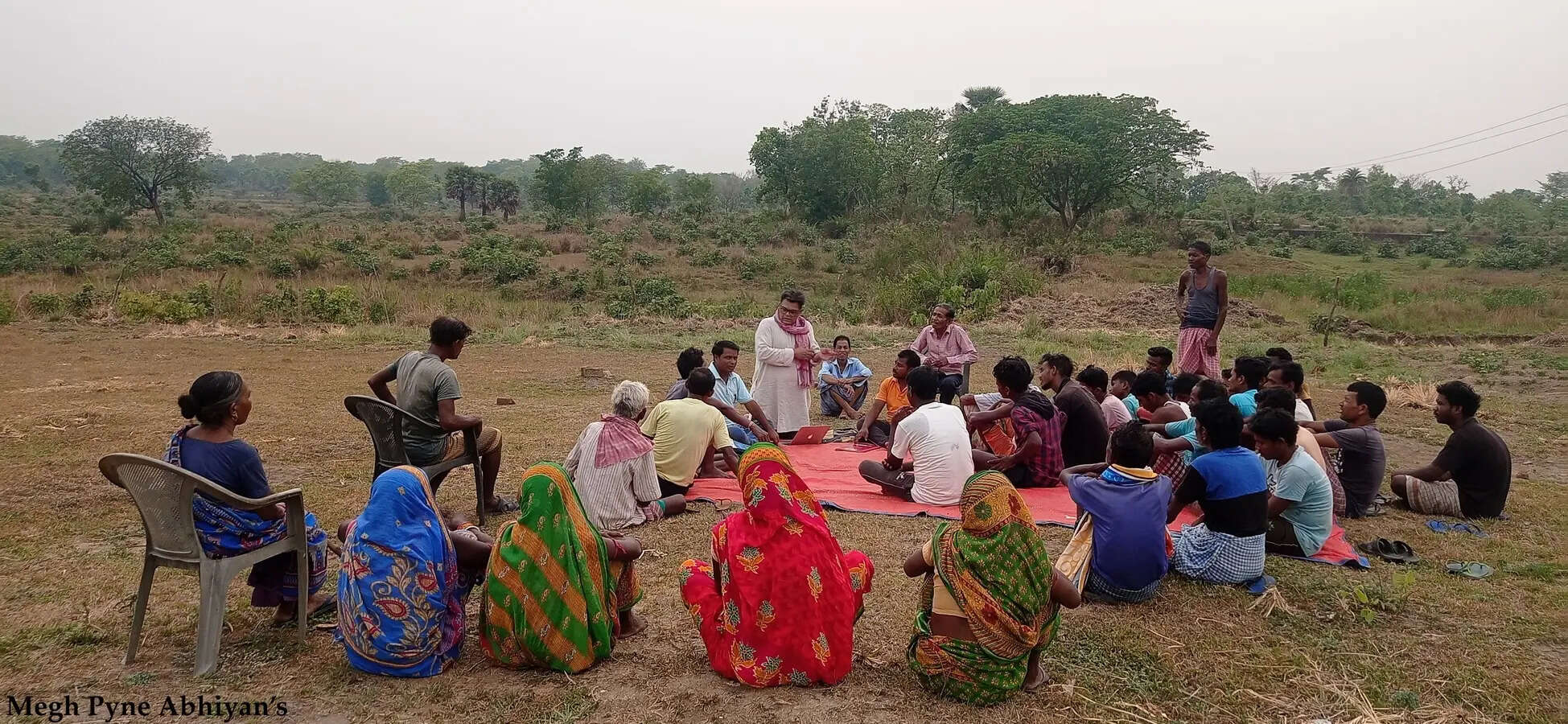
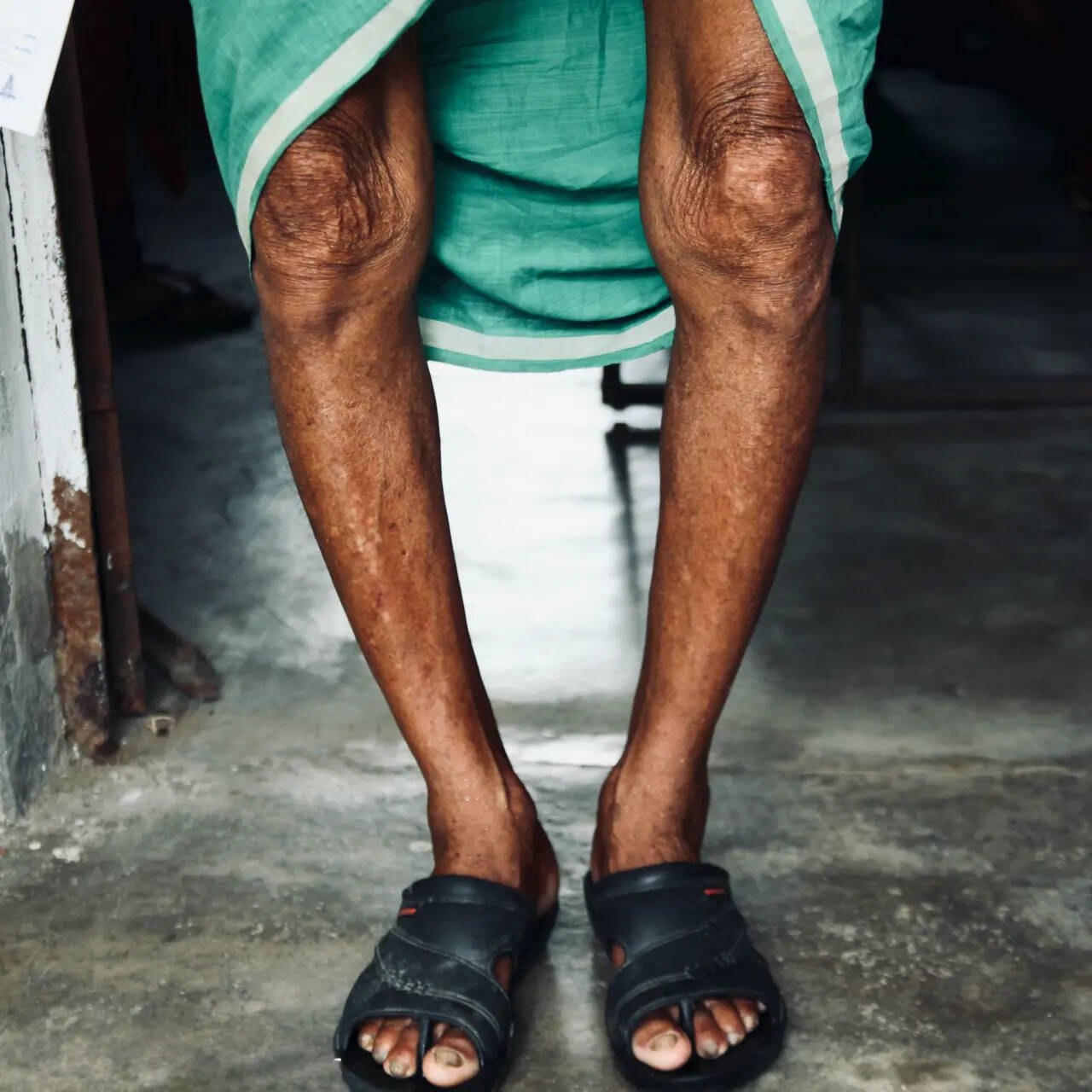
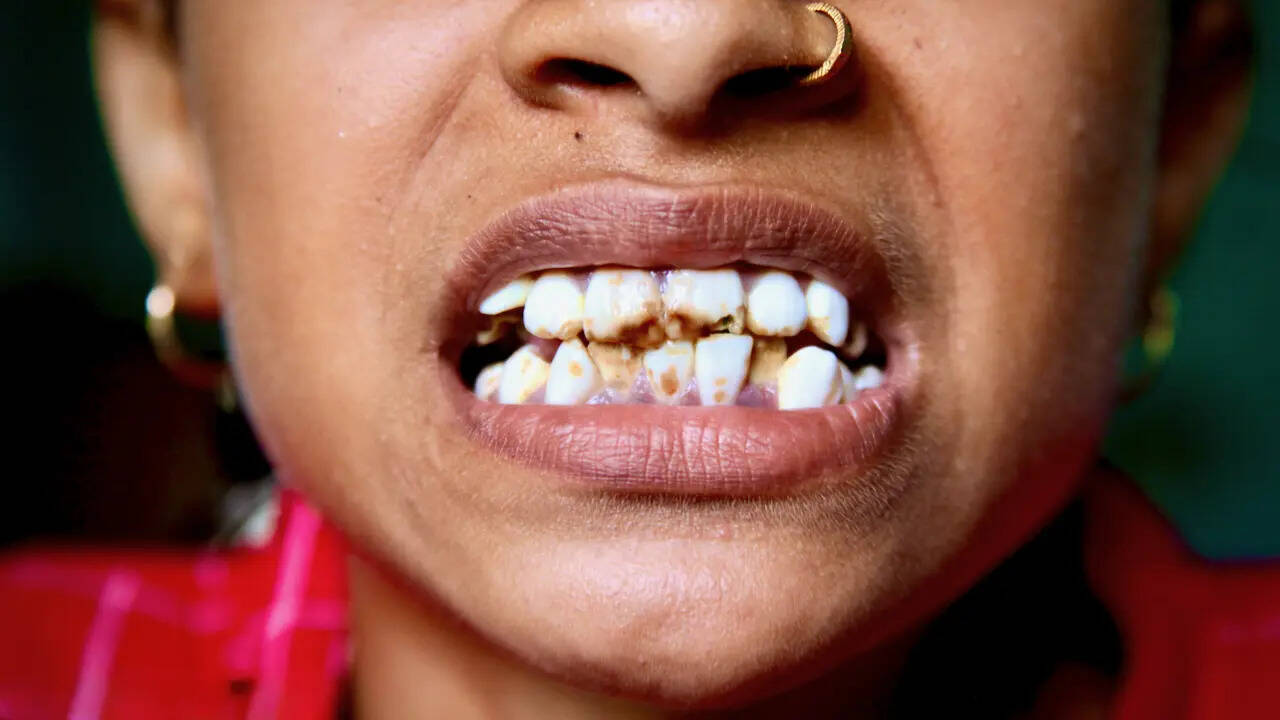
Ranchi: Over a third of drinking water sources in Dhanbad district’s Gharbar panchayat are contaminated with fluoride, sometimes up to 10 times over the permissible limit, affecting over 14,000 villagers, a study has found.The School of Environmental Studies at Jadavpur University, Kolkata, along with Megh Pyne Abhiyan (MPA), an NGO, recently published the report in Environmental Science & Technology (ES&T) journal of the American Chemical Society (ACS).Researchers tested 315 drinking water sources across six villages and found that over 36% exceeded the safe limit of 1.5 milligrams per litre (mg/l). The contamination levels ranged from 0.02 mg/l to a maximum of 16.2 mg/l. Nearly 28% of the water sources recorded fluoride levels between 1.5 and 4 mg/l, while around 8% showed concentrations between 4 and 10 mg/l. Around 1% of the sources crossed the extreme threshold of 10 mg/l.The research team tested 162 urine samples and conducted health assessments of 60 schoolchildren. The analysis revealed an average urinary fluoride concentration of 3.9 mg/l among the population, with some residents recording a high of 16 mg/l. Urinary fluoride levels peaked at 21 mg/l among schoolchildren.Eklavya Prasad, managing trustee of MPA, said, “Fluoride contamination has translated into substantial human exposure. Urine analysis revealed elevated fluoride concentrations among residents and schoolchildren. Children belong to the most vulnerable population group as around 50% of those studied showed signs of both dental and skeletal fluorosis.”The prolonged exposure has left a visible mark on the locals, with both adults and children suffering from dental fluorosis, discolouration and mottling of teeth, skeletal fluorosis, joint pain, and bone and mobility-related problems.The study has established that the contamination is purely geogenic, meaning it originates from the natural geological formations of the Chotanagpur plateau rather than industrial effluents. This specific finding complicates the mitigation process, officials said.Prasad said, “This means that drilling new borewells cannot be assumed to provide safe drinking water. Every drinking water source requires testing and verification before being considered safe for consumption.”
Attachment
Attachment
Attachment
Attachment