








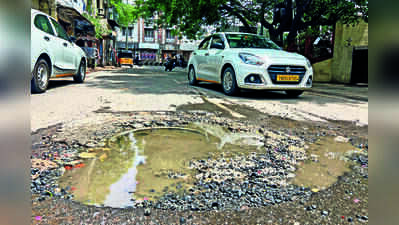
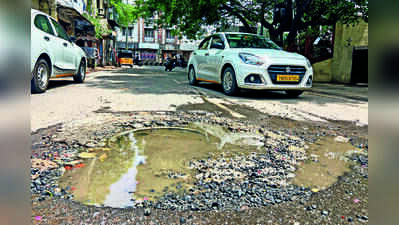
Chennai: The recent rain spell exposed the city’s broken roads — loose gravel turning slick, patched stretches sinking, and potholes widening — but the city is yet to start relaying roads under the Greater Chennai Corporation’s 2026-27 programme.GCC proposed relaying 5,000 roads in 2025-26, but 199 could not be taken up because of a bitumen-related issue and were carried forward to this year. Now, as GCC is yet to receive funding of more than ₹200 crore, only priority works will be taken up this year. The majority of roads will be relaid after the northeast monsoon. The delay means the city is heading into the rainy season with pothole-ridden bus routes, crumbling interior roads and poorly restored utility cuts.Road cuts made by Metrowater, Tangedco and other agencies have added to the deterioration across the city. In many places, residents say excavated stretches are filled with debris or loose sand rather than restored to road-laying standards. Intermittent showers have made those surfaces hazardous for motorists and pedestrians. In north Chennai areas such as Madhavaram, Manali and Tondiarpet, gas-pipeline work by Indian Oil Corporation has compounded the problem.Residents blamed poor coordination among IOC, Metrowater and GCC for broken civic facilities. “Drinking-water pipelines and drains get damaged during the work,” said T K Shanmugam, president of the Federation of North Chennai Residents Welfare Association.Roads near hospitals and schools, including stretches in Kilpauk Garden Road, Saidapet, Ashok Nagar and T Nagar, have been cited as examples of the predicament. GCC commissioner G S Sameeran said road relaying was delayed because utility departments were permitted to make road cuts between June and Sept. Zonal officials are now identifying roads for priority repairs, he said.But the schedule offers little immediate relief for commuters: priority work is expected to begin in Sept, while the bulk of road relaying is planned only after the monsoon. Civil engineers said the cycle of excavation, temporary filling and repeated patchwork would continue unless GCC enforced stricter restoration standards. They called for contractors to be held responsible for defective work and for newly laid roads to carry at least a five-year warranty, with penalties for recurring damage.