




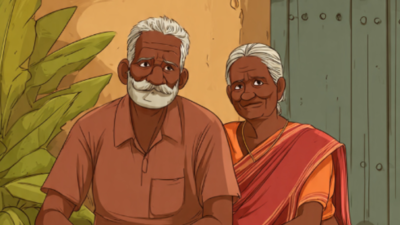
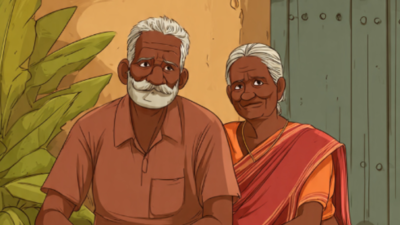
CHENNAI: Tamil Nadu will launch the Chief Minister’s Elderly Health Insurance Scheme, a programme that will provide free, cashless medical treatment to nearly 38 lakh residents aged 70 and above, with no income ceiling for eligibility — a move the state can no longer defer with a growing elderly population. The 38 lakh people are elderly from 1.45 crore families with state insurance, above the poverty line with PDS cards, and people living in old-age homes without any identification cards.Health minister K G Arunraj announced this in the state assembly on Monday and said the scheme would offer advanced medical treatment for chronic illnesses, advanced cardiac care procedures and organ transplant surgeries. Under the scheme, advanced treatment would be available free at both govt and empanelled private hospitals, he said.The minister did not elaborate on the coverage it would offer, but senior officials said it would be dovetailed with the Ayushman Bharat Pradhan Mantri Jan Arogya Yojana and be in line with the Chief Minister’s Comprehensive Health Insurance Scheme, which currently covers roughly 1.45 crore families for Rs 5 lakh per family every year. High -end surgeries such as transplants and cochlear implants would be funded up to Rs 23 lakh from a special corpus, officials said.The new scheme marks a departure from the existing insurance scheme, which has capped eligibility by household income. “This has become a necessity as the state is now an ageing society,” said health secretary Darez Ahamed.The life expectancy in the state is 71.7 years for men and 75.8 years for women. Nearly 16 of every 100 residents are now 60 or older, a share projected by the Directorate of Family Welfare to climb to one in five within a decade. The National Commission on Population Report has estimated that TN population will grow to 7.7 crore by 2026 and 7.8 crore by 2036 from 7.2 crore in the 2011 Census.Since the total fertility rate has dropped from about 3.9 children per woman in 1971 to 1.3 today, the population pyramid is narrowing sharply at its base. Children aged 0 to 14 will shrink from 23.6% of residents in 2011 to 18.3% in 2026 and 15.6% by 2036, while the population in the 15-59 age group will also shrink from 65.8% to 63.6% over the same period. Meanwhile, the share of people aged 60 years and older is set to nearly double, from 10.6% in 2011 to 20.8% by 2036, leaving fewer working-age adults to support each elderly resident.A Reserve Bank of India study titled “State Finances: A Study of Budgets of 2025-26 — Demographic Transition in India: Implications for State Finances,” released in January 2026, projected that Tamil Nadu’s old-age dependency ratio would rise to 32.7% by 2036 — the second highest among major Indian states, trailing only Kerala’s 38.3%. The ratio measures the number of elderly residents relative to the working-age population, and its rise signals mounting pressure on pension outlays and healthcare budgets in the years ahead.