









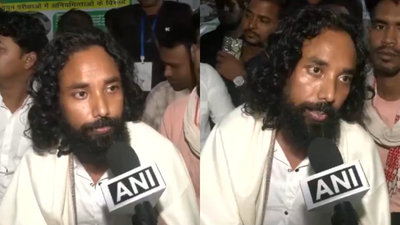
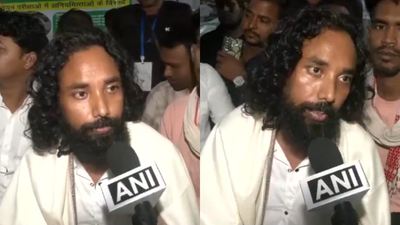
RANCHI: Student leader Devendra Nath Mahato on Tuesday welcomed the Jharkhand government’s decision to cancel the JSSC-CGL examination and all recruitment exams conducted by TSR Data Processing Pvt Ltd (TDPL), calling it a “historic win” for students.Following the government’s decision, Mahato said an investigation by the CBI or CID alone would not be enough to address the students’ concerns.Speaking to ANI, Mahato said, “A CBI or CID inquiry cannot give justice to the students. We are demanding a guarantee of a leak-proof examination system and transparency in the future.”He added, “I have a blueprint to achieve this, which I will share with the government.”“14 exams have been cancelled; this is a historic win,” Mahato said.The development comes after a prolonged student agitation in Ranchi over alleged irregularities in recruitment examinations.Mahato had observed a 16-day hunger strike as part of the protest before the government accepted several key demands.
What has the Jharkhand government decided?
Chief Minister Hemant Soren had announced the cancellation of the JSSC-CGL examination and all recruitment tests conducted by TDPL since 2014.The government also decided to cancel the 14th JPSC and backlog examinations and announced measures to reform the recruitment system.An exam reforms committee headed by senior IAS officer Amitabh Kaushal has also been constituted to recommend measures to strengthen and streamline the recruitment process.While the cancellations addressed a major demand of the protesting students, the demand for a CBI probe has remained a point of contention.Mahato’s latest statement indicates that the students’ focus is now shifting towards ensuring that future recruitment examinations are conducted through a transparent and leak-proof system.Meanwhile, the government’s decision has triggered a separate protest by around 2,000 candidates who had cleared the JSSC-CGL examination and were appointed to government posts.They have opposed the cancellation, arguing that successful candidates should not be punished for alleged irregularities unless wrongdoing is established against them.