








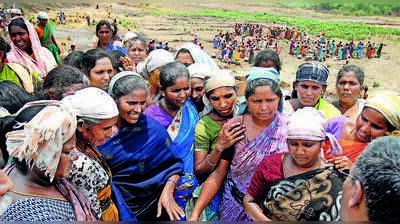
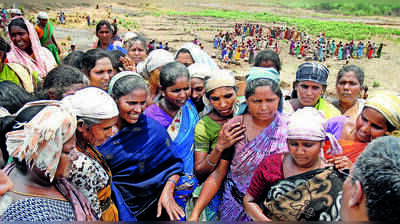
VB-G RAM G scheme may have raised Tamil Nadu’s rural employment wage from `336 to `345 a day from July 1, but workers are taking home far less. According to govt records, the average wage paid to workers is `278 under the VB G RAM G, below the national average of `281.The reason, workers say, is shortage of staff to assess the exact extent of work completed. According to the workers, wages under the scheme are linked to the quantum of work completed against prescribed norms, making accurate measurement by technical personnel crucial. However, there was a shortage of overseers at the field level. As a result, workers allege that their output was not being properly assessed, resulting in lower payments.The state has 2,000 overseers to assess the output of 79.28 lakh active workers across more than 12,500 panchayats. This means each overseer was responsible for six to seven panchayats, each with 10 to 12 worksites.“Our block has 27 panchayats, but we have only three overseers. It is impossible for them to inspect works in every panchayat. So, they fix the wage according to their whims, and most workers get only `275,” says a worker from Keelaiyur union in Nagapattinam district.An overseer in the Chengam block of Tiruvannamalai district admitted to the difficulty in assessing the quantity of work. “Authorities should appoint more technicians to assess the work. Kerala has overseers and technicians in every panchayat, resulting in full wage to the workers,” says a former panchayat president from a southern district.Officials, however, deny the charges and attribute the lower average wage to the output, which was due to worker demography. The average age of workers in Tamil Nadu is 55; 89% are women and more than 50,000 are above 80 years old.“The output determines the wage, and here, the collective output is less. In some panchayats, particularly tribal areas, and for differently abled workers, full wages are paid,” says the official.