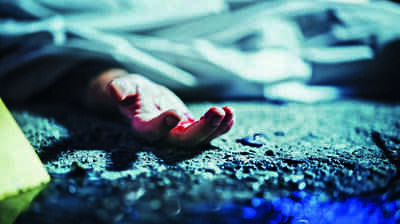






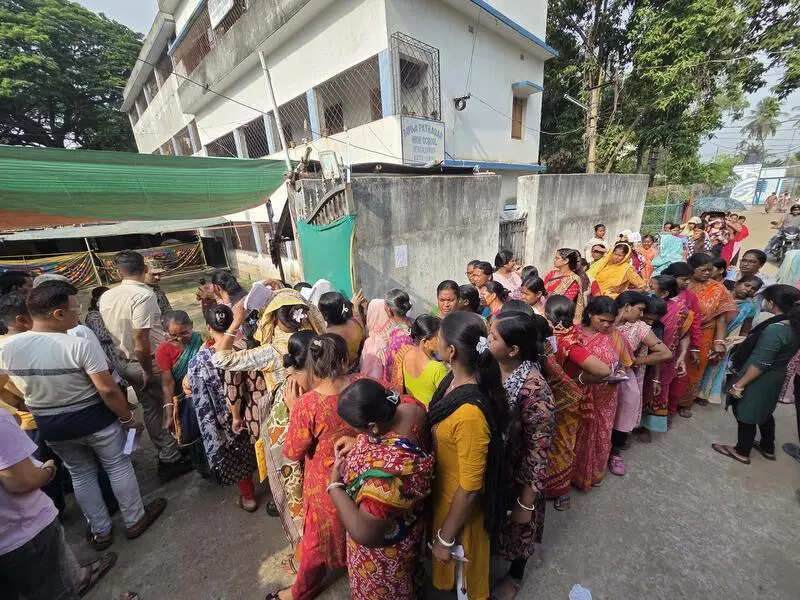
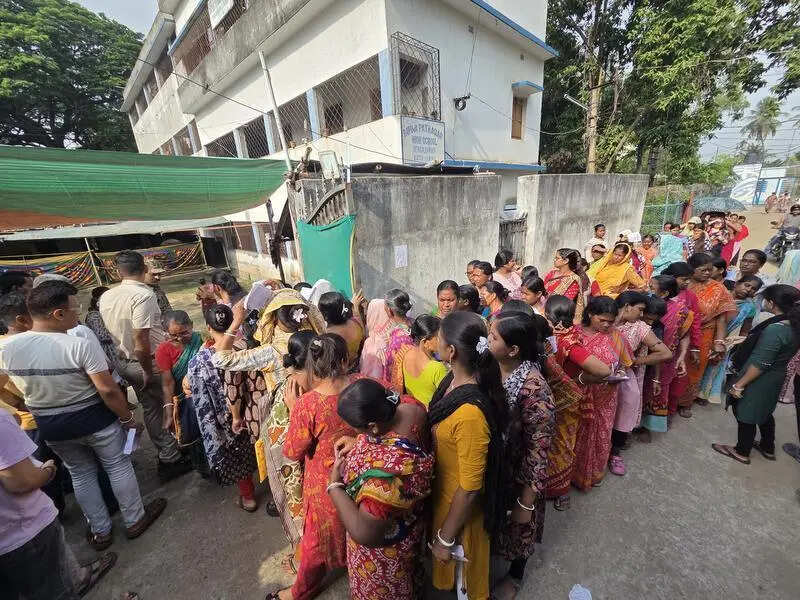
Behrampore/Shamsherganj: On the eve on elections in Murshidabad, cops visited homes of many voters who were knocked out by SIR, warning them not to go anywhere near polling booths on Thursday. However, on poll day, many disregarded those warnings and turned up near polling stations to register their protest at being left out.Clutching his voter ID card, Aadhaar card, and a sheaf of documents, Behrampore toto driver Imtiaz Khan (41) stood dressed in a crisp white shirt and black trousers, pleading with central forces personnel for permission to meet election officials. His request was simple — to lodge a formal protest.“I submitted my documents and attended hearings five times. Everything is valid. I have been voting for 20 years. I even approached the tribunal, but nothing happened. My wife and other family members are voting, but I can’t,” said Khan, a resident of Ambedkar Pally Muslimpara.Beside him stood Somnath Kangsabanik (42), a cook whose name was struck off the voters’ list along with four relatives.. “Five out of 13 in our family have been deleted. Still, I have come to the booth — this is my protest,” he said.At Qutubpur, under the Murshidabad assembly segment, Waquar Ali Mirza — a businessman and Congress worker — stood outside a polling booth urging others to vote, though his own name was missing from the rolls. “I submitted every document, even my passport. Yet my name was deleted. Now, the only thing left is to ensure others vote against this SIR,” he said.The sense of exclusion cut across generations. Syed Reza Ali Meerza (82), who traces his lineage to Mir Jafar — the commander-in-chief of Siraj-ud-Daulah’s army who later became Nawab of Bengal after the Battle of Plassey in 1757 — had planned to protest outside Lalbagh Nav Adarsh High School after both his and his son’s names were struck off.“But the police advised me against it, saying it could lead to law-and-order problems. As a law-abiding citizen, I complied,” said Meerza, popularly known as ‘Chhote Nawab’, standing outside his residence near the iconic Killa Nizamat in Lalbagh.Shamsherganj, which recorded more than 90,000 deletions — the highest in the state — also saw striking scenes of silent dissent. Despite being struck off the list, several voters turned up near booths. Ironically, the constituency also logged close to 95% polling, among the highest turnouts.Outside a polling booth under Digri Gram Panchayat in Ward 16, nearly 300 people stood beyond the boundary line drawn by the Election Commission. Each held a voter card but none could vote. They stood in silence — a quiet, collective protest.In Jafrabad, the shadow of last year’s violence lingered. Family members of Haragobindo Das and Chandan Das — hacked to death during a violent Waqf protest — cast their votes, describing it as “revenge through the ballot”. “I want justice for my husband and son. Those arrested are in jail, but they are alive. I want the death penalty for them,” said Parul Das, Haragobindo’s wife.Since the April 2025 killings, Jafrabad — a Hindu-majority pocket surrounded by Muslim-dominated neighbourhoods — has turned into a security grid. Around 150 CCTV cameras line a 700m stretch, a central forces camp stands at the village edge, police patrol twice daily, and contact numbers of senior officers are pasted at key crossings. Yet, beneath this, fear persists. Parul’s daughter-in-law Pinki said electoral outcomes no longer matter to her. “I don’t care who wins or loses. Whoever forms the govt must ensure a permanent BSF camp here. Development is not our priority anymore — we are fighting for our right to live,” she said.