









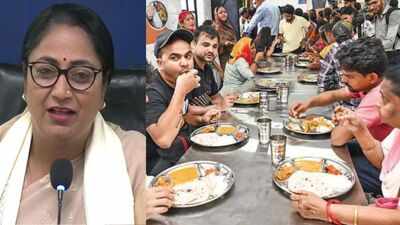
Delhi is a city of many colours and contradictions. It is at once imperial and intimate, monumental and modest. This cosmopolitan city functions through the labour of millions whose names may never make headlines, but whose hands build the capital every single day. For them, food is not an abstraction or a policy slogan, it is survival, dignity and tomorrow’s hope served on a plate.It is in this spirit that Delhi govt has launched Atal Canteens across the capital, a simple idea with a profound moral core that no one in Delhi should go to bed hungry. This initiative was inaugurated on the 101st birth anniversary of former PM Atal Bihari Vajpayee, aka Good Governance Day.Across Delhi, Atal Canteens, now over 100 in number, are providing nutritious and fresh meals twice a day for just Rs 5 each plate. On every plate, we ensure about 600g of balanced nutrition is provided. Delhi govt contributes Rs 25 towards the actual cost of Rs 30 every plate, guaranteeing affordability without sacrificing quality.Most of these canteens are situated close to labour centres, JJ clusters, industrial districts and transit zones. These canteens currently serve more than 1 lakh meals daily. To translate policy intent into actual plates of food, each canteen is required to offer about 1,000 meals every day.Intense quality control is a major highlighting factor of these canteens. Modern kitchens, LPG-based cooking, industrial RO water plants, digital token systems, CCTV surveillance and regular quality audits reflect the gravity of the purpose. Food samples are tested by FSSAI and NABL-accredited laboratories.The symbolic contribution of Rs 5 ensures that food is received with self-respect, not as alms. Most importantly, it discourages food wastage. It recognises the daily wage worker, the construction labourer, the sanitation staff, the rickshaw puller, not as statistics, but as stakeholders in the city’s progress.A city that is hungry is one that is deprived, discontent and disastrous. Unmet basic requirements lead to decreased productivity, increased social unrest and a decline in dignity.The overwhelming response from humanitarian organisations, which have expressed interest in partnering with Atal Canteens, reinforces this vision.The idea behind establishing a chain of Atal Canteens emanates from Pandit Deendayal Upadhyaya’s philosophy of Antyodaya, which has been the guiding principle for BJP. Essentially, the philosophy of Antodaya argues that the condition of the weakest is the real indicator of progress.AB Vajpayee put this emancipatory idea into practice during his Prime Ministership through the Antyodaya Anna Yojana in 2000. The scheme was focused around entitling discounted foodgrain to the poorest of the poor.Food security starts at the farm gate, as evidenced by the creation of the National Commission on Farmers and the ideation of the National Policy for Farmers.Prime Minister Narendra Modi took the mission to new heights. One of his primary policy decisions after assuming office at the Centre was realising and implementing The Right to Food, ensuring over 80 crore Indians received free foodgrain. A year ago, his Independence Day speech was all focused around food security and farmers’ welfare.Delhi govt has taken the next step in this continuous journey. The world is witnessing that from Antyodaya Anna Yojana to PM Garib Kalyan Anna Yojana, and now to Atal Canteens in Delhi, the thread is unbroken. The plate may be local, but the philosophy is national.As CM, my resolve is clear. Good governance must reach the last mile, and often, it reaches first through the stomach. In the clang of plates, the warmth of a hot meal and the quiet relief on a worker’s face, Atalji’s legacy lives on.(The writer is chief minister of Delhi)