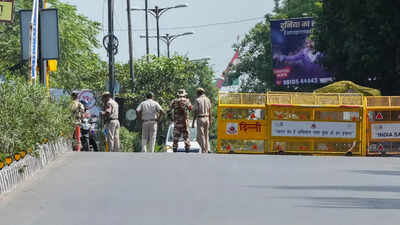












New Delhi: The abduction and rape-murder of an 11-year-old homeless girl in Mehrauli by a cabbie has once again brought into focus the vulnerability of children living on the streets, particularly underneath or near flyovers. For many such children, survival itself is a daily struggle. With families often living on pavements or at temporary settlements, children spend long hours unsupervised while their parents work, leaving them exposed to strangers and largely outside the safety net of schools, shelters and child protection systems.Speaking to TOI, child rights campaigners said homeless girls face heightened risks of sexual abuse, trafficking and violence due to the absence of secure shelter, adult supervision and access to protection mechanisms.Yogita Bhayana, anti-rape activist and founder of PARI, said, “For the past 13 years, I have been working on Pocso cases and fighting to secure justice for victims, and one pattern keeps repeating itself — easy acquittals and repeat offenders. In many cases, parents are daily-wage workers, ragpickers, vendors or beggars who have no option but to leave their children unattended. Often, the child is so young that they cannot properly identify the perpetrator, which weakens the case.”In such cases, many families become disillusioned with the justice system, and some don’t even report the crimes because of the precedent set by earlier cases. “And the cycle repeats itself,” said an activist.Chetna NGO director Sanjay Gupta said, “Many parents of street-connected children do approach police and file complaints, but investigations often face challenges because these families are highly mobile and don’t have a fixed place of residence. So, it can be difficult for police to trace them for follow-ups, which sometimes leaves the case pending.”“These children are among the most vulnerable because they interact with strangers regularly without any supervision,” he added. “Their parents are often away for work for long hours, and in some cases, family disruptions such as remarriages can weaken the support system available to the child.”Activists said existing night shelters are heavily inadequate for families, forcing thousands to sleep on exposed pavements.Rita Singh, a former member of Delhi Commission for Protection of Child Rights, said, “As long as children are in shelters, they are generally protected. However, once they are back on the streets because of the lack of space or increasing numbers of homeless people, they are often neglected and become easy targets for predators. Even a person showing them a little affection or speaking kindly can gain their trust.”Singh added, “Their upbringing is very different. Concepts like good and bad touch are often unfamiliar to them, and even when they are aware, they may struggle to distinguish between trusted adults and strangers. In many cases, there are few personal boundaries in their living environments, which blurs the line between acceptable and abusive behaviour. Over time, some children end up internalising abuse as something normal.”Activists stress on structural overhauls, including 24/7 guarded state-run shelters for vulnerable minors, better street illumination and intensified PCR patrolling around pavements.