









It rarely feels like a problem at first. A missed night before a deadline, a late-night scroll after work, one more episode, one last check of messages before bed. Then suddenly, it’s 2am and the alarm still rings at 7. What gets lost, night after night, is sleep, and the body is beginning to feel the cost. Across urban India, this is no longer an occasional slip. It is a pattern, one that is steadily disrupting sleep cycles and reshaping how young people function through the day.
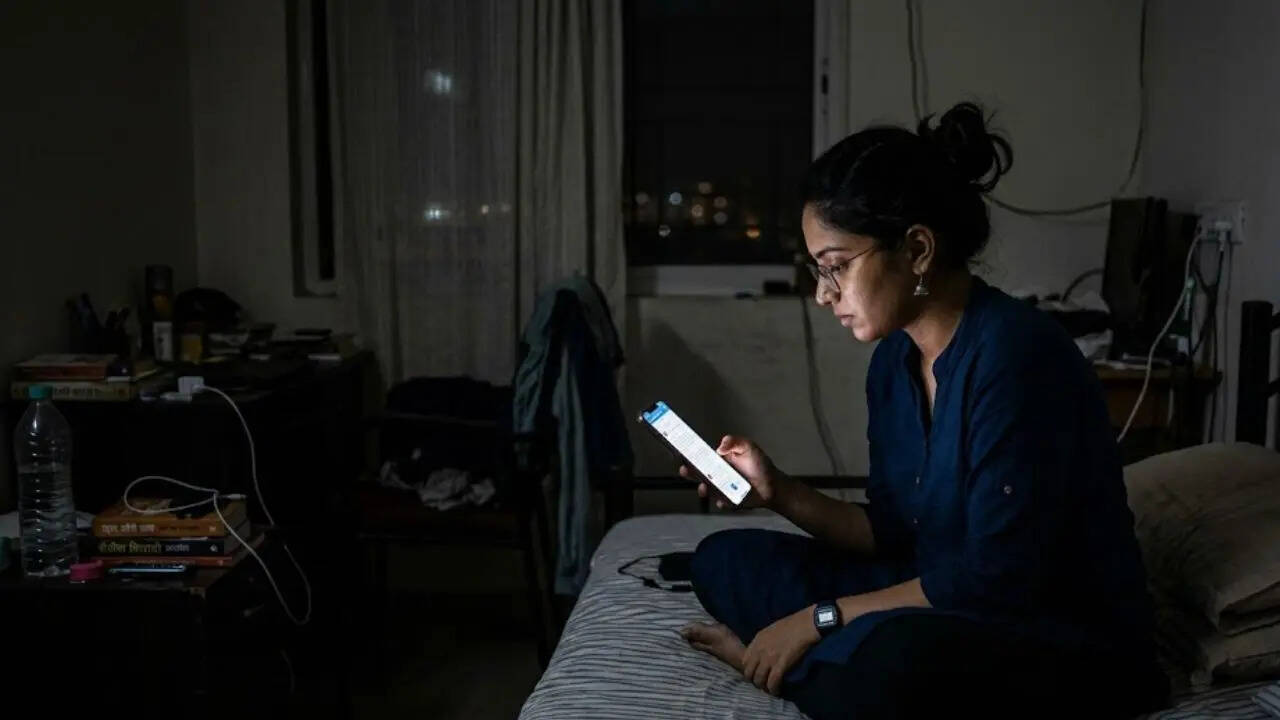
Late-night scrolling quietly eats into daily rest time (AI image used for representational purpose only)
Sleep patterns are quietly slipping out of sync
Bedtime is no longer a fixed hour.More people are going to bed late and getting up early, on less sleep than the body needs. What was once the exception is now the norm, especially among the younger crowd.The result is a slow shift where nights get longer, but recovery time gets shorter.
The midnight drift that keeps pushing nights further
The nights are no longer a fixed thing.It is sleeping in and waking up early with not enough sleep for the body. What was once a rarity is now the norm, especially for younger folks.The end result is a slow change, longer nights but shorter recovery period.
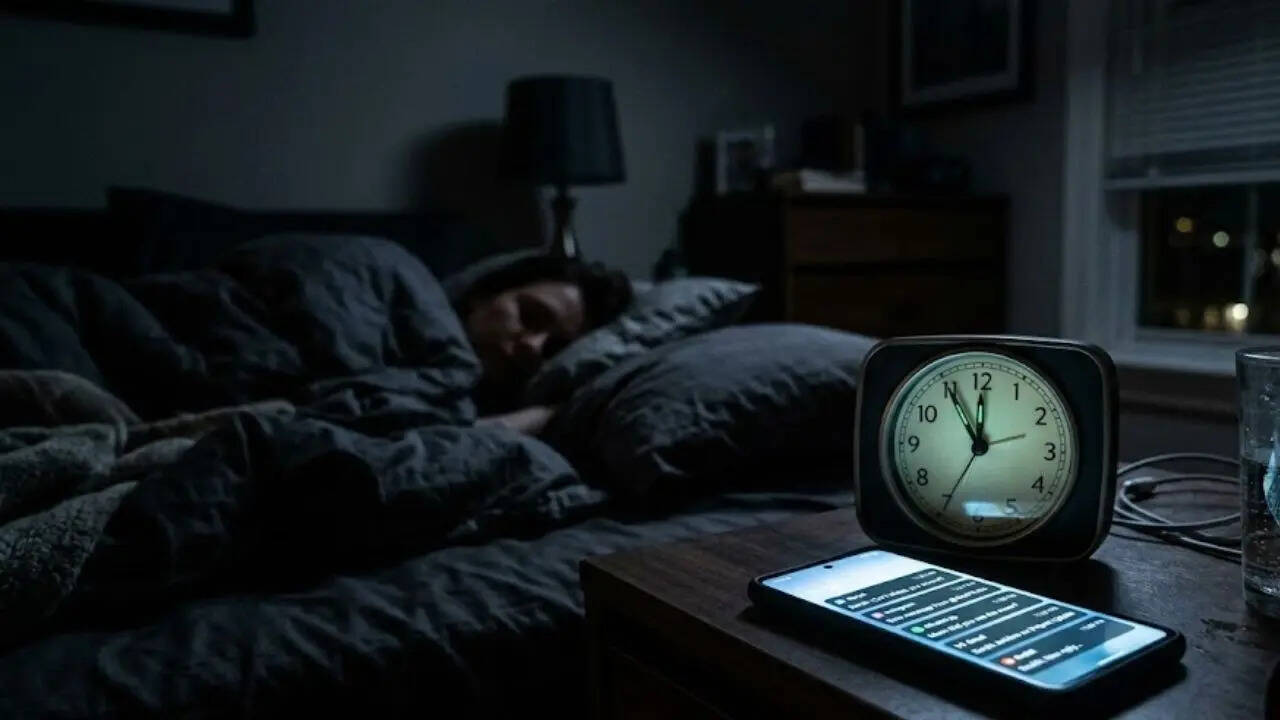
Notifications keep nights active and unsettled (AI image used for representational purpose only)
When sleep doesn’t translate into real rest
It doesn’t mean people are getting proper recovery even if they find time in bed.Irregular timing, late-night stimulation and frequent interruptions keep the body from entering deeper, restorative phases.The consequence is waking up tired despite “sleeping”, a problem that is increasing and often neglected.
A restless mind long after the lights are off
Rest and mental state are strongly connected.Stress, screens, overstimulation keeping the mind active late into the night makes it harder to settle into a restful state.And at the same time, not getting enough rest affects mood, patience and emotional balance, creating a cycle that’s hard to break.
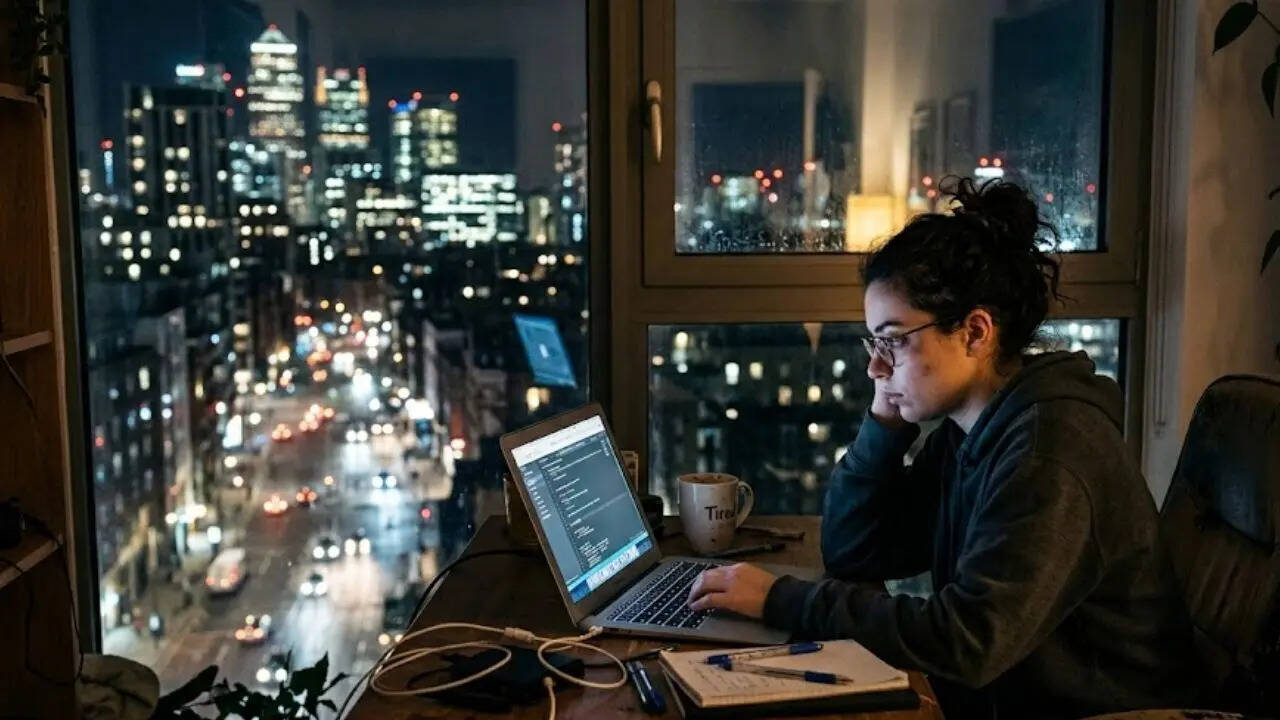
Work and screens blur the line between night and rest (AI image used for representational purpose only)
Sleep loss shows up when the day begins
You can see the effect mostly during the day.It’s harder to do everyday tasks. You might not have much energy, focus and reaction time. You are less productive, less focused and even simple decision-making feels more challenging.People continue to work, but the quality of work decreases constantly.

Quiet nights filled with screens, not rest (AI image used for representational purpose only)
A quiet tipping point in how we rest
What makes this shift concerning is how subtle it is. There is no single moment where things go wrong. Instead, it builds slowly, late nights becoming routine, fatigue becoming familiar, and reduced energy becoming expected. By the time it is noticed, it is already a pattern.
Small resets that can restore better sleep
Reversing disrupted routines does not require drastic changes, but it does need consistency.
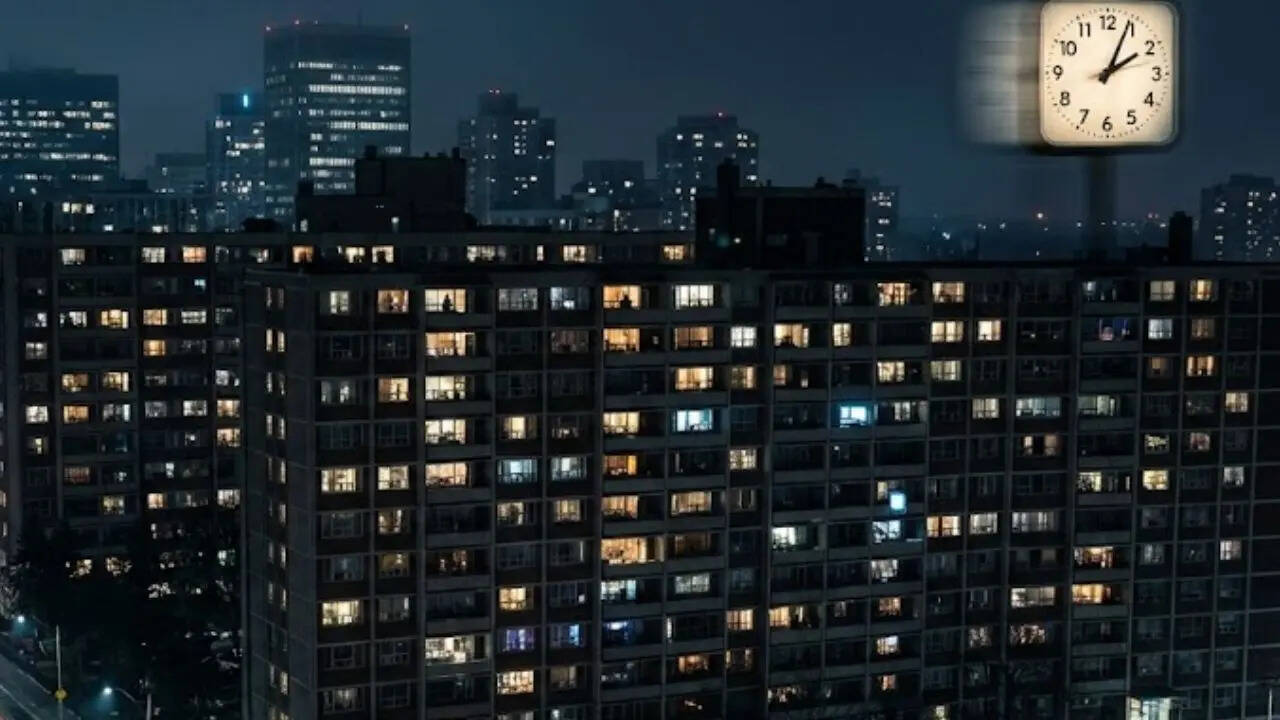
City lights stay on as sleep hours quietly shrink (AI image used for representational purpose only)
- Fix a sleep window: Going to bed and waking up at roughly the same time every day helps reset the body’s internal clock.
- Cut screens before bed: Even 30 to 60 minutes of screen-free time can improve how quickly the body winds down.
- Create a wind-down routine: Low-light, quiet activities signal the brain that it’s time to rest.
- Avoid late-night meals: Eating too close to bedtime can delay the body’s ability to settle.
- Move during the day: Regular physical activity supports deeper and more consistent rest at night.
- Don’t rely on weekend catch-up: Irregular patterns can make it harder for the body to stabilise its rhythm.
Small shifts, repeated daily, tend to work better than sudden overcorrections.
The reset question: Can sleep find its place again?
The issue is no longer about the occasional late night. It is about a sustained disruption in how rest fits into daily life. In always-connected environments, rest has become negotiable. But its impact is not. Because the real cost is not just feeling tired, it is the gradual decline in how the body and mind perform over time. And for a generation that is constantly awake, the bigger question is not how late the nights go, but how long the body can keep up without the rest it needs.