





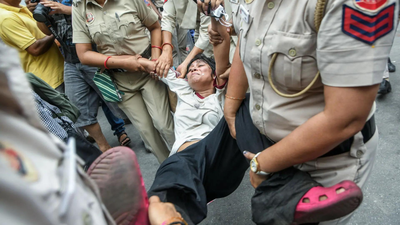
NEW DELHI: As Cockroach Janta Party (CJP) supporters attempted to march towards Parliament on Monday, triggering clashes with police and detentions, the scenes brought back memories of some of Delhi’s most defining public protests over the past 15 years, when thousands took to the streets to press their demands before the government.One of the biggest such mobilisations was the 2021 Republic Day tractor rally. As part of the year-long agitation against the three farm laws, tens of thousands of farmers entered the national capital with tractors on January 26 after assembling at Delhi’s borders.Although the rally had been permitted on designated routes, a section of protesters breached police barricades, deviated from the agreed routes and headed towards central Delhi, leading to violent clashes with security personnel.Some protesters also entered the Red Fort complex and hoisted the Nishan Sahib and farmers’ union flags from its ramparts. More than 300 police personnel were injured during the violence.
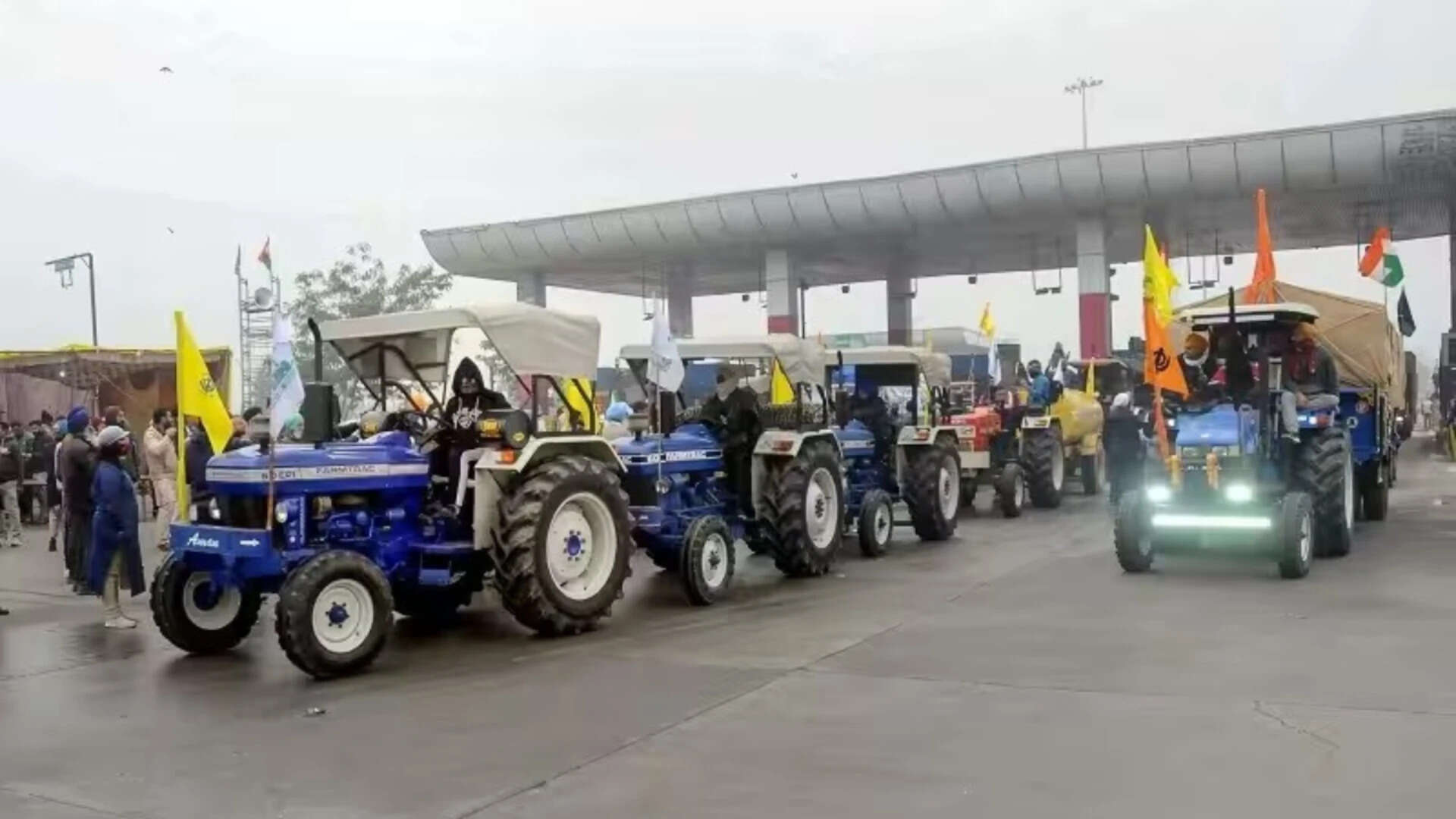
A section of farmers deviated from designated routes, triggering clashes with police in 2021. (File Photo)
On Monday, CJP supporters carrying the tricolour raised slogans and pushed through multiple police barricades while demanding the resignation of Union education minister Dharmendra Pradhan over alleged paper leaks and examination irregularities. Police used force to stop the protesters from marching towards Parliament.Over the years, several major protests in the national capital have witnessed demonstrators attempting to march towards Parliament or other high-security zones in central Delhi to press their demands.
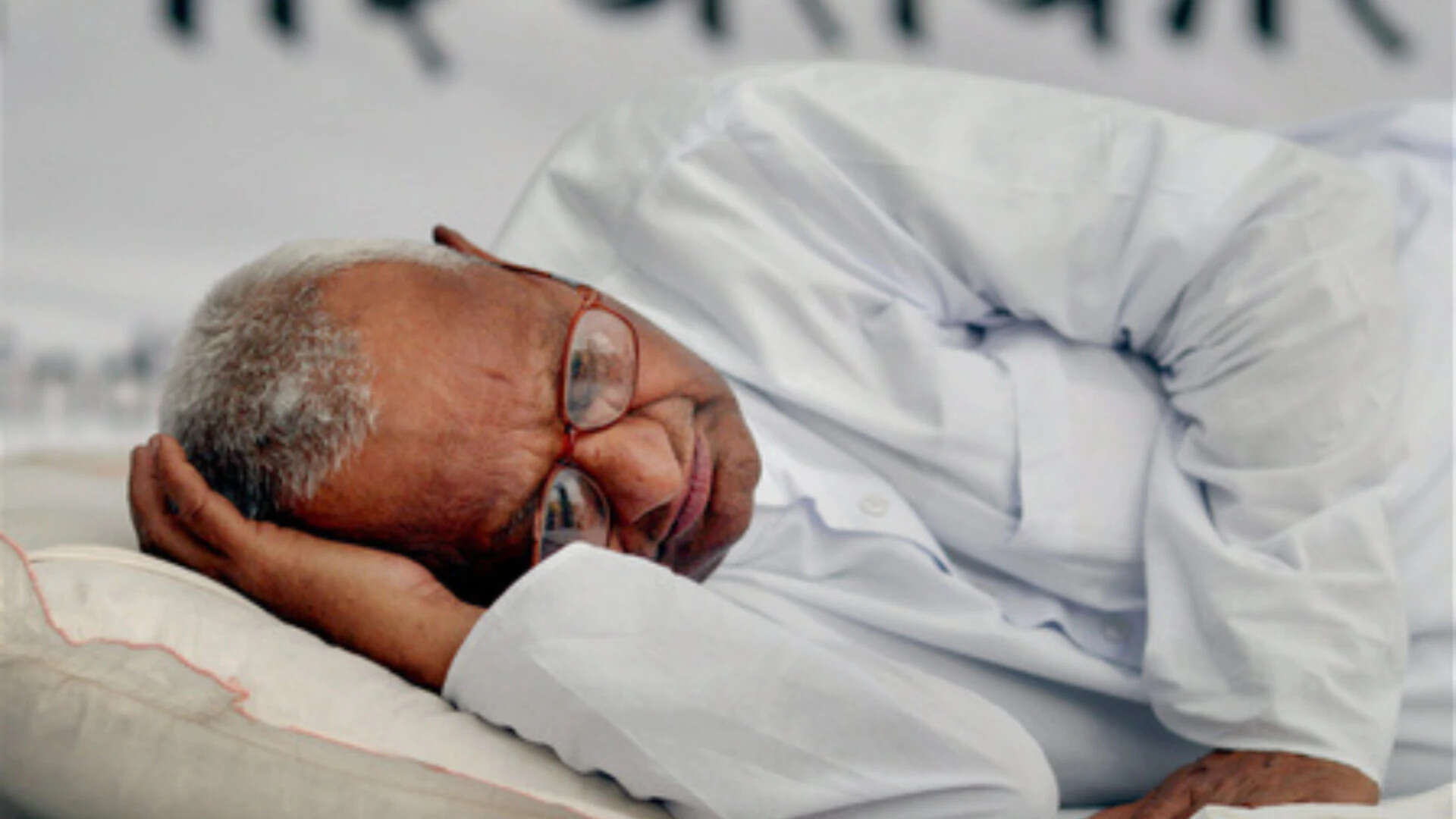
Social activist Anna Hajare during his hunger strike to demand Jan Lokpal Bill. (File Photo)
The 2011 Anna Hazare-led anti-corruption movement was among the largest public mobilisations seen in the capital. After Hazare’s arrest, thousands gathered outside Tihar Jail before he shifted to Ramlila Maidan, where his 13-day fast drew massive crowds demanding a stronger Lokpal law.A year later, the 2012 Nirbhaya protests saw thousands of students, young professionals and citizens assemble at India Gate and Raisina Hill before repeatedly attempting to march towards Parliament and Rashtrapati Bhavan. Police responded with water cannons, tear gas and baton charges to disperse the crowds.The anti-CAA protests of 2019 and 2020 again witnessed large demonstrations across Delhi. Student protests at Jamia Millia Islamia and the prolonged sit-in at Shaheen Bagh drew thousands, while road closures, heavy police deployment and temporary Metro station closures became a common feature during the agitation.The year-long farmers’ protest against the three farm laws also transformed Delhi’s borders into major protest sites. Thousands of farmers camped at Singhu, Tikri and Ghazipur after being stopped from entering the city, and the demonstrations continued until the Centre repealed the farm laws.In 2023, several leading wrestlers protesting at Jantar Mantar attempted to march towards the newly inaugurated Parliament building before being stopped and detained by Delhi Police, drawing nationwide attention.Monday’s CJP protest once again brought large crowds to the streets of central Delhi, adding another chapter to the long history of mass demonstrations that have unfolded in the national capital over the years.(With agency inputs)