









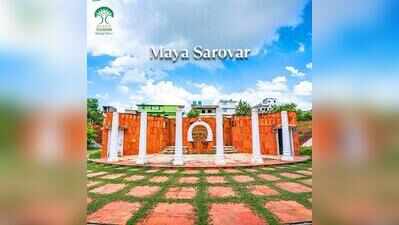
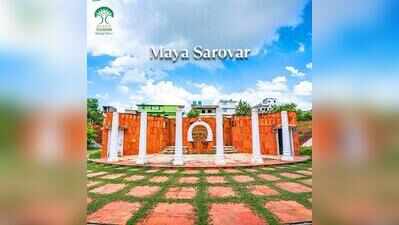
Patna: Bodh Gaya is set to emerge as an important eco-tourism destination in the state, with the environment, forest and climate change department focusing on developing its natural landscapes alongside its established spiritual and Buddhist heritage.The department is looking at the potential of Maya Sarovar, Muchalinda Sarovar, the Dungeshwari area and the surrounding hills as key sites for nature-based tourism. The initiative aims to promote sustainable tourism while ensuring the conservation of the region’s natural and cultural heritage.Maya Sarovar, spread over nearly five acres, is already among the prominent green tourism attractions in Bodh Gaya. The site has a water body, landscaped green areas and a laser show based on the life of Buddha. Its tranquil surroundings offer visitors an opportunity to combine recreation with a peaceful natural experience.The department has also identified scope for developing eco-tourism activities around Muchalinda Sarovar, Sujata Stupa, Dungeshwari and the adjoining hill areas. The focus will be on environmental protection, cleanliness and involvement of local communities in tourism-related activities.Under Bihar’s eco-tourism approach, activities such as nature walks, trekking, bird watching, nature camps, eco-friendly accommodation and visitor interpretation centres are being encouraged. Such initiatives are intended to bring tourists closer to nature while creating awareness about the need to protect the environment.The expansion of eco-tourism in Bodh Gaya is also expected to generate livelihood opportunities for local communities. Increased tourist footfall and longer stays could create a market for local handicrafts, handloom products and other indigenous goods, besides generating employment in guiding, hospitality, transport and other tourism-related activities.The department’s initiative seeks to develop a sustainable tourism model in Bodh Gaya that complements its spiritual importance while protecting its natural surroundings. The move is expected to provide visitors with a broader tourism experience and help conserve the region’s ecological and cultural heritage for future generations.