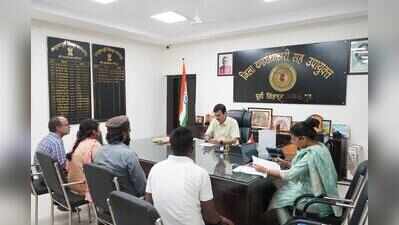









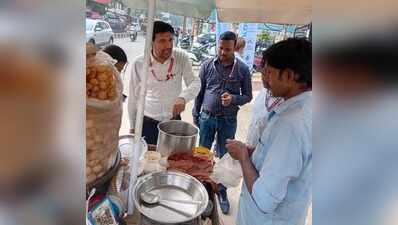
Ranchi: The festive season food safety drive, meant to check adulteration and hygiene violations across the state at a time when demand for sweets, milk products, snacks and packaged food surges, is set to begin amid serious gaps in field and laboratory capacity.Additional chief secretary (health) Ajoy Kumar Singh on Tuesday directed officials across all districts to intensify inspections from Wednesday at roadside food carts, hotels, eateries and other food establishments ahead of the festival rush. He also asked officials to ensure that State Food Safety Laboratory has all necessary resources, including chemicals, so that food samples can be tested on time.Food safety officers (FSOs), however, said carrying out the drive on the ground would be difficult without adequate vehicles and support systems. They said the state’s lone testing laboratory is already overburdened, with samples coming in from every district each month.“Each district sends at least 20 samples every month. The lab is overburdened, which delays timely testing. FSOs also do not have dedicated vehicles for inspection drives and often have to travel at personal expense,” an FSO told TOI, requesting anonymity.The officer said FSOs depend on health department vehicles for inspections, but these are not always available when required.Officials at the food laboratory said the testing bottleneck is equally worrying. The state has only one food lab, staffed by seven chemists and one senior food analyst, who has been working on extension for several years after retirement. The lab also lacks a microbiology facility, limiting the range of tests it can conduct on food samples.“The lab needs more chemists to test samples quickly and prepare reports. Shortage of chemicals is also a recurring issue,” a lab official said.Food analyst Chaturbhuj Meena said the laboratory receives around 200 samples every month, including milk and milk-based products, cereals, spices, breads, biscuits and beverages. “We make every effort to test samples promptly and prepare reports on adulteration,” he said.Officials said timely testing will be crucial during the festive period, when consumption rises sharply and the risk of adulterated food entering the market increases.