












BY INVITATIONTamil Nadu has built a strong base for its next phase of growth, with rising exports, new investments and deep human capital supporting its economic momentum. The state has recorded double-digit real growth for two consecutive years and has a per capita income almost twice the national average—an achievement unmatched by any other state in recent years.The vision of a $1.5 trillion economy by 2036 is ambitious but achievable with sustained growth, policy continuity, and stable governance. Successive govts have welcomed industry and provided a stable environment for businesses to flourish. TN shows how sustained investment in human capital can drive growth. Decades of spends on education, health and skills have strengthened employment and growth. This must be reinforced through better curricula, industry-led courses, apprenticeships, skilling and upskilling, along with greater focus on mental health, non-communicable diseases, and geriatric care.
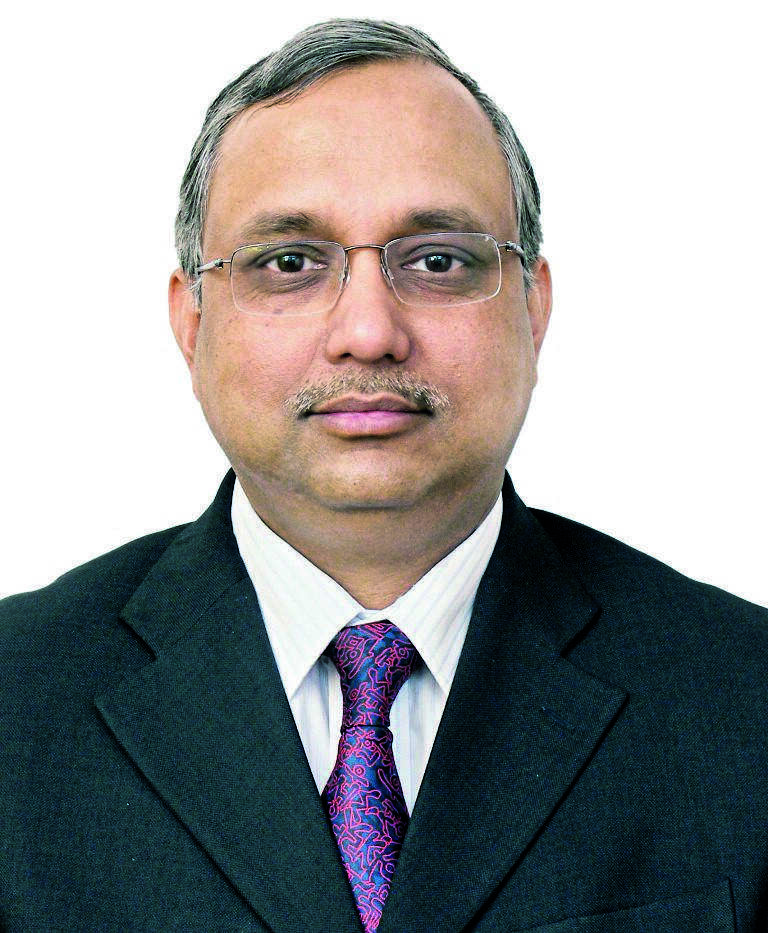
Chandrajit Banerjee, director-general of the Confederation of Indian Industry (CII)
Building on these, TN must develop new engines of growth. With one of India’s longest coastlines, major ports and industrial corridors, the state has an opportunity to build a stronger port-led industrial economy. Chennai and Kamarajar ports can build on their automotive and electronics strengths, while Tuticorin can emerge as a hub for green fuels, ship repair and wind-energy exports. The experience of Rotterdam and Amsterdam shows how ports can anchor wider industrial and logistics ecosystems. TN can draw from these models to deepen port-industry linkages and integrate ports more closely with road, rail and logistics infrastructure.The wider marine economy offers another opportunity. The state can move up the value chain in seafood through processing, cold chains and traceability, while ship repair, maritime services and emerging green-fuel markets can attract new investment. The priority should be to convert the state’s coastal advantage into a stronger engine for investment, exports and employment.Beyond the coast, the next frontier is moving further up the manufacturing value chain. TN has proven capabilities in textiles, automobiles and defence, but semiconductors, electronics, aerospace, space and AI will be critical to the next phase of growth. New policies and investments have already begun this transition.This growth must be supported by stronger R&D and deep industry-academia partnerships. IIT Madras and its Research Park demonstrate the impact of industry-linked research and deep-tech innovation. This model should be extended to emerging centres such as Coimbatore, Hosur and Tuticorin, while strengthening links with global technology and innovation networks.Recent FTAs offer greater access to global markets. The India-UK CETA can create opportunities for TN’s textiles, leather, marine products, footwear, engineering goods and processed foods. Singapore and Southeast Asia are natural starting points given existing cultural and commercial links. A product-to-product strategy under a stronger “Brand Tamil Nadu” can help premiumise and take products such as Kancheepuram silk, Swamimalai bronzes, Thanjavur paintings, Pattamadai mats, Madurai Sungudi and processed foods to global markets.Brand Tamil Nadu can extend beyond products to culture and tourism. The state’s Chola heritage, temples, cuisine, arts, crafts and GI products provide a distinct identity. Its theatre, music and cinema already have audiences across Singapore, Malaysia, Sri Lanka and the Gulf, offering a natural platform for cultural diplomacy and global branding. Tourism should shift from destinations to experiences. Alongside religious tourism, TN can develop premium, low-volume coastal and hill tourism and regional circuits such as the Madurai-Karaikudi heritage corridor and Pollachi-Coimbatore wellness corridor.This can support an opportunity in the MICE sector. Chennai’s Margazhi season attracts audiences from across India and abroad, generating wider benefits for hospitality, transport and retail. With strong connectivity and hospitality infrastructure, Tamil Nadu can position itself more strongly for conferences, conventions, exhibitions and curated cultural events. The next phase of growth will depend on how effectively govt, industry and academia work together to convert these strengths into new engines of competitiveness. Thus, the priority now is to deepen these advantages, move into higher-value activities and create new avenues for investment, exports and employment.The author is the director-general of the Confederation of Indian Industry (CII)