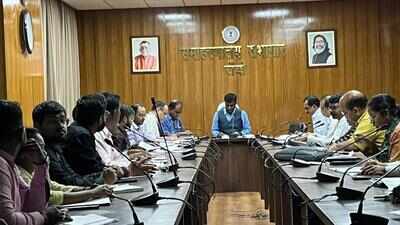






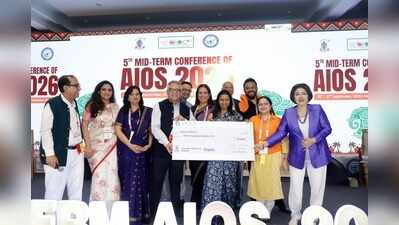
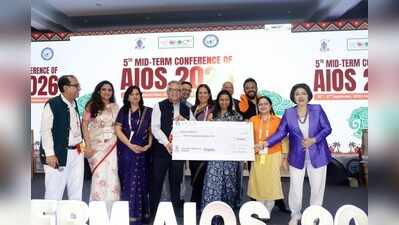
Ranchi: Ophthalmologists said artificial intelligence is increasingly being used to analyse eye scans and detect retinal disorders and other eye diseases at a conference in Ranchi on Saturday. They said AI is also expected to play a larger role in diagnosis and clinical assessment.The technology is being used to analyse images and identify abnormalities that may otherwise require detailed specialist assessment. Experts, however, stressed that ophthalmologists will need to interpret AI-generated findings before treatment decisions are made.The development was highlighted during the 5th All India Ophthalmological Society (AIOS) Midterm Conference 2026, where specialists also discussed AI applications in retinal care, diabetic retinopathy and other areas of ophthalmology. Dr Bharati Kashyap, organising secretary of the meet, said, “Held in Jharkhand for the first time, the conference is a milestone in promoting advanced ophthalmic education, research, scientific exchange and modern treatment practices in the state.”Dr Chitra Ramamurthy, vice-president of the All India Ophthalmological Society, said, “Newer technology is also changing cataract surgery, including femtosecond laser-assisted procedures. However, the surgeon continues to make the clinical decisions and remains responsible for the procedure.”Alongside the technology push, specialists issued several patient-facing alerts. AIOS secretary Dr Santosh G Honavar said parents should not ignore a white reflex in a child’s pupil, particularly when it appears in photographs, as it can be an early sign of retinoblastoma. “New squint, persistent redness, pain or vision problems should also prompt an eye examination,” he said.Prof Namrata Sharma, chairperson of the National Eye Bank at AIIMS, stressed that chemical eye injuries require immediate irrigation. The affected eye should be washed continuously with clean running water or saline, without waiting to reach a hospital. Rubbing the eye or trying to neutralise the chemical with another substance should be avoided.Experts also highlighted childhood myopia and glaucoma. Children with prolonged near-screen use and little outdoor activity should be monitored, while people above 40 were advised to undergo regular glaucoma screening as the disease can progress without early symptoms.