

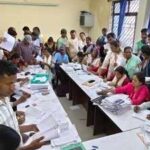




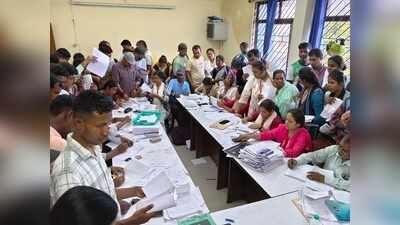
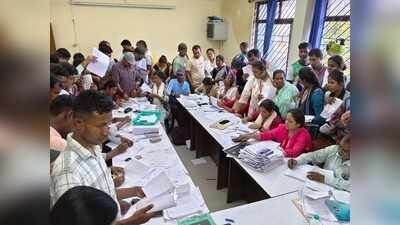
Ranchi: A declaration, a field visit or a certificate from an institution could soon matter as much as a birth certificate or address proof for several vulnerable groups seeking a place on Jharkhand’s electoral rolls.As part of the Special Intensive Revision (SIR), the election machinery has prescribed alternative verification procedures for people who do not possess the documents normally required for enrolment.The guidelines cover orphans, sex workers, destitute women, residents of old age homes, transgender persons and senior citizens without documentary proof. Where prescribed documents are unavailable, election officials have been asked to rely on declarations, institutional certificates and field verification.“Whether it is a destitute woman living in Shakti Sadan, parents living in an old age home, or a person living in an orphanage, no one will be left out of the electoral roll,” chief electoral officer K Ravi Kumar said.For sex workers, the guidelines state that lack of documentary proof of ordinary residence should not, by itself, prevent enrolment. Booth level officers (BLOs) have been asked to verify their residence through field visits, with assistance from the State AIDS Control Society and NGOs. The proceedings will be handled confidentially.Women residing in Shakti Sadan can submit certificates from the institution concerned or NGO, followed by verification by the district social welfare officer, if conventional documents are unavailable. A similar process has been prescribed for residents of old age homes.For senior citizens aged 60 years and above who lack the required documents, authorities can consider supporting papers and declarations from adult children already enrolled as voters, subject to verification.Transgender applicants can use certificates issued under the Transgender Persons (Protection of Rights) Rules, 2020. The rules provide for identity certificates and cards issued by the district magistrate.The CEO has also ordered mega help desk camps at all polling stations on Oct 10. Officials will identify voters who received notices over “no mapping” or other anomalies, eligible persons aged 18 and above who have not registered, migrants left out of the draft roll and voters seeking corrections.“The exercise aims to widen electoral inclusion while ensuring that eligibility is verified, particularly in cases where conventional documentary evidence is unavailable,” Kumar said.