








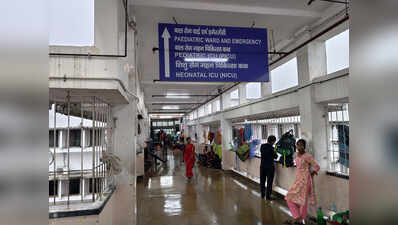
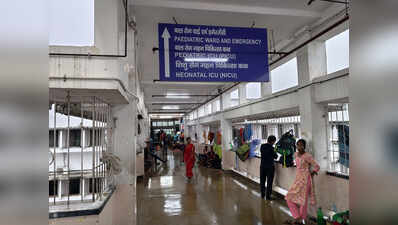
Ranchi: Haemophilia patients visiting Rajendra Institute of Medical Sciences (Rims) are allegedly struggling to access life-saving clotting-factor medicines, prompting a patient advocacy group to seek the hospital administration’s urgent intervention.In a letter to Rims director D K Sinha on Wednesday, Haemophilia Society’s Ranchi chapter secretary Santosh Kumar Jaiswal alleged that essential blood proteins such as Factor VIII, Factor IX, Von Willebrand Factor and lab-made blood protein Emicizumab had not been procured despite recommendations from the medicine and paediatrics departments and repeated reminders from patient groups.These medicines are used to prevent or control bleeding in people with haemophilia and related disorders.“Patients with haemophilia, thalassaemia and sickle cell disease travel to Rims from across Jharkhand for specialised treatment, but often face difficulties because these life-saving medicines are unavailable,” said Jaiswal, who is a haemophilia patient.He claimed that doctors were being forced to manage emergency bleeding episodes without adequate stocks of the required clotting factors. The society urged Rims to procure the four items immediately in accordance with treatment requirements and prevailing guidelines.The representation also flagged gaps in specialised blood disorder services at the state’s largest govt-run tertiary care hospital. It said Rims neither has a permanent haematology department nor a dedicated haematologist, despite a growing number of patients with haemophilia, thalassaemia, sickle cell disease and blood cancers in the state.The society sought the establishment of a dedicated haematology department and the appointment of a specialist to ensure regular consultation, emergency care and long-term management of patients.It also demanded carrier detection, prenatal diagnosis and genetic testing facilities for hereditary blood disorders in accordance with ICMR guidelines. The group said many families could not afford to travel outside Jharkhand for such tests and would benefit from affordable or free diagnostic services at Rims.Sinha said, “I am looking into the details of the letter, and corrective action will be taken if required.”